Alumni Stories
Elizabeth Beebe ’17, has previously worked for Old Skool Cafe, a youth-run supper club, in support of their overall operations and business development projects. After the Thomas Fire and Montecito Mudslide, she worked for two organizations in order to support impacted homeowners and workers. She pursued her Master’s of Public Affairs and now works for Habitat for Humanity.
Andrew Bradshaw ’25, studied business, psychology, sociology and communications at Westmont. He was selected as a Luce Scholar with the Henry Luce Foundation and is currently serving in Kathmandu. In 2024, he interned with the International Crisis Group in New York, where he supported the foundation team’s $12 million donor portfolio at one of the world’s leading policy think tanks focused on conflict and peacebuilding.
Career Paths
Social Work Law Health Sciences Missions | Ministry Business Government Teaching |
Faculty and Staff
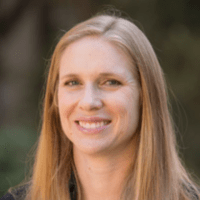
Specializes in international politics, international development, empirical methods, international conflict and peace building
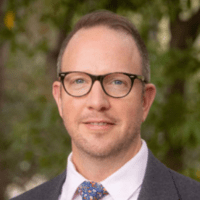
Expertise in quantitative methods of research, specializing in population health, medicine, and religion
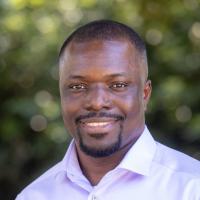
Specializes in world poverty & development economics, health economics, and the economics of education.
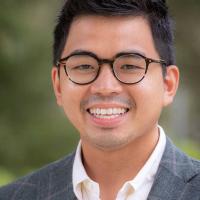
Specializes in the history of capitalism and immigration in the United States
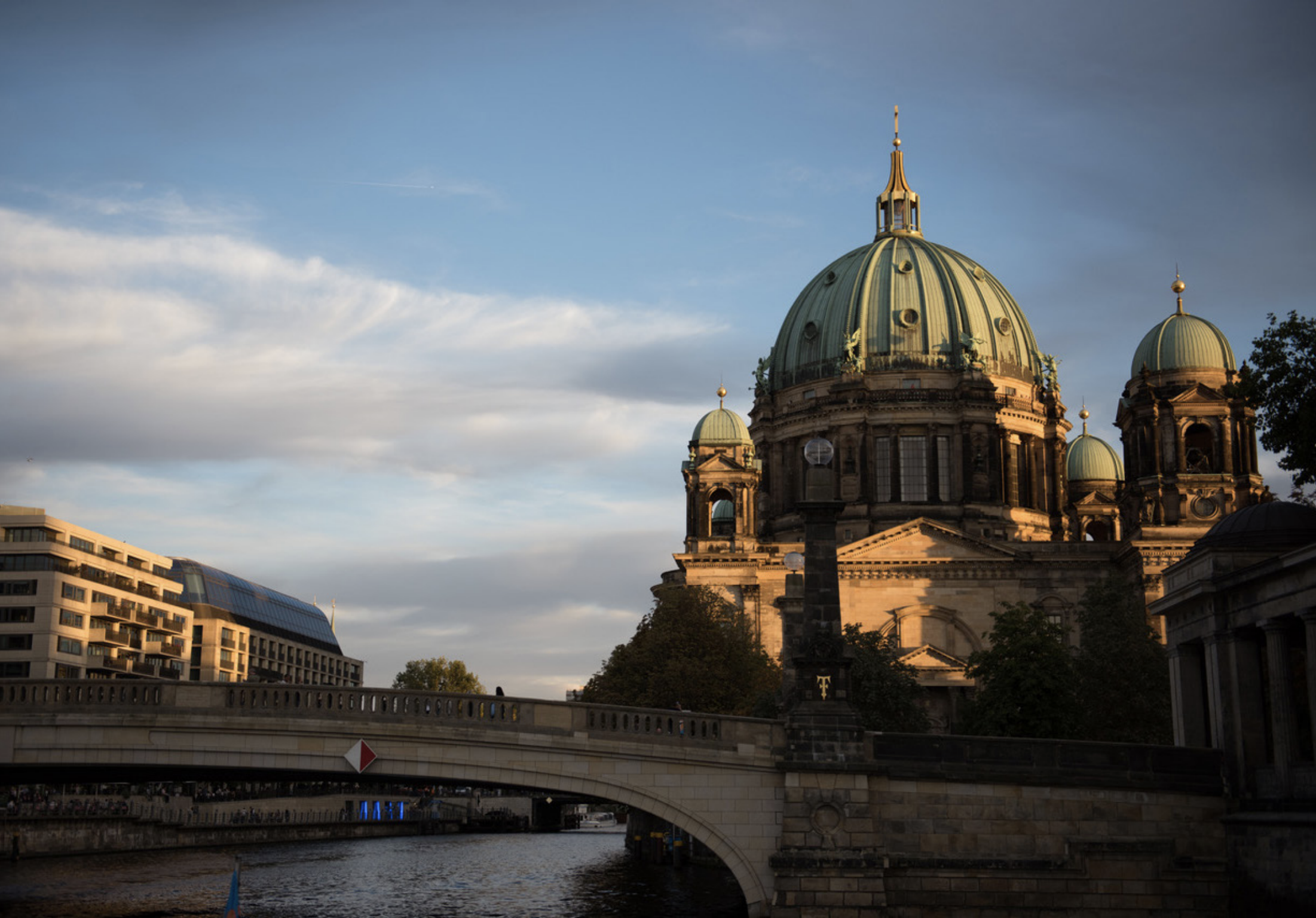
Opportunities Abroad
Westmont’s Europe Semester
Westmont in Northern Europe
Westmont’s England Semester
Westmont in Cairo
Westmont in Jerusalem
Sample Schedule
- 48 units in economics and business, history, political science and sociology and anthropology
- 20 units in an area of emphasis
- 12 units each in two areas
- 4 units in the fourth area
- At least 20 units must be upper-division courses
- EB 011 Principles of Macroeconomics (4)
- EB 012 Principles of Microeconomics (4)
- Upper-Division EB Elective: (4)
Two of the following:
- EB 102 Intermediate Microeconomics (4)
- EB 103 History of Economic Thought (4)
- EB 135 Money, Banking and Financial Markets (4)
- EB 137 Intermediate Macroeconomics (4)
- HIS 099 Foundations of History (4)
- HIS 198 Senior Research Seminar (4)
- Two upper-division history courses (8): Approved by the academic advisor. Study two different geographical regions and/or chronological periods.
- Additional History Elective: (4)
- POL 010 American Government (4)
- POL 020 International Politics (4)
- POL 030 Political Theory and Ideology (4)
- Upper-Division POL Electives: (8)
- SOC 001 Introduction to Sociology (4)
- SOC 171 Sociological Theory
- (4) Upper-Division SOC Electives: (12)